
Photo: callysnapper.com
Tide and weather awareness
- The coastline is heavily influenced by tides and weather. Always pay close attention to our instructions regarding tide times and safe zones.
- Slippery surfaces: rocks and seaweed can be slippery. Wear appropriate footwear and tread carefully, especially near the water's edge.
- Uneven terrain: be mindful of uneven ground and potential trip hazards along the coastal paths.
- Personal protective equipment: all participants are asked to use all PPE provided by East Neuk Seaweed.
- Weather changes: coastal weather can be unpredictable. Be prepared for changes in conditions and dress accordingly.
- Wildlife respect: observe marine life from a safe distance and avoid disturbing habitats.
Food safety
- Follow the guide's instructions on safe and sustainable foraging practices. Only consume seaweed that has been properly identified and prepared.
- Hand-wash facilities will be provided; participants are asked to wash hands before starting the tour and before sampling prepared foods.
- Allergies and sensitivities: participants are responsible for informing East Neuk Seaweed about any allergies, sensitivities or dietary requirements during the booking process, and everyone will be asked again at the commencement of every workshop. Every menu is built on wild seaweed, so traces can be present in any dish.
Health considerations
- Physical exertion: the experience involves some moderate physical activity. Ensure you are in suitable health to participate.
- Pregnancy, heart conditions and access: On the Rocks (four hours, with an 800 m walk over uneven, slippery rock) isn’t recommended during pregnancy or with a heart condition. The gentler 90-minute Seaweed Taster suits most people with care; if you have a heart condition, check with your doctor first. Neither shore is wheelchair accessible. Assistance dogs are welcome by prior arrangement: please ask us before booking.
- Sun protection: apply sunscreen, even on cloudy days, and wear a hat.
- Hydration: bring a reusable water bottle and drink plenty of water throughout the day.
- First aid: inform us immediately of any injuries or health concerns.
By following these guidelines and adhering to the instructions provided, you can ensure a safe and enjoyable experience.
How we manage risk on the day
Every workshop runs to a written risk assessment, reviewed and revised regularly (last review April 2026). In practice that means:
- Before you arrive: the shore is assessed in advance and safe routes planned, including how and when we leave as the tide turns. You’ll be sent an up-to-date weather forecast in the days before your workshop, with advice on clothing and equipment to bring.
- Tides and waves: low-water times, swell predictions and wind speeds are checked before every session. We leave the intertidal shortly after low water, and a workshop is cancelled if winds exceed Force 5 (19 to 24 mph), or if fog makes visibility a risk.
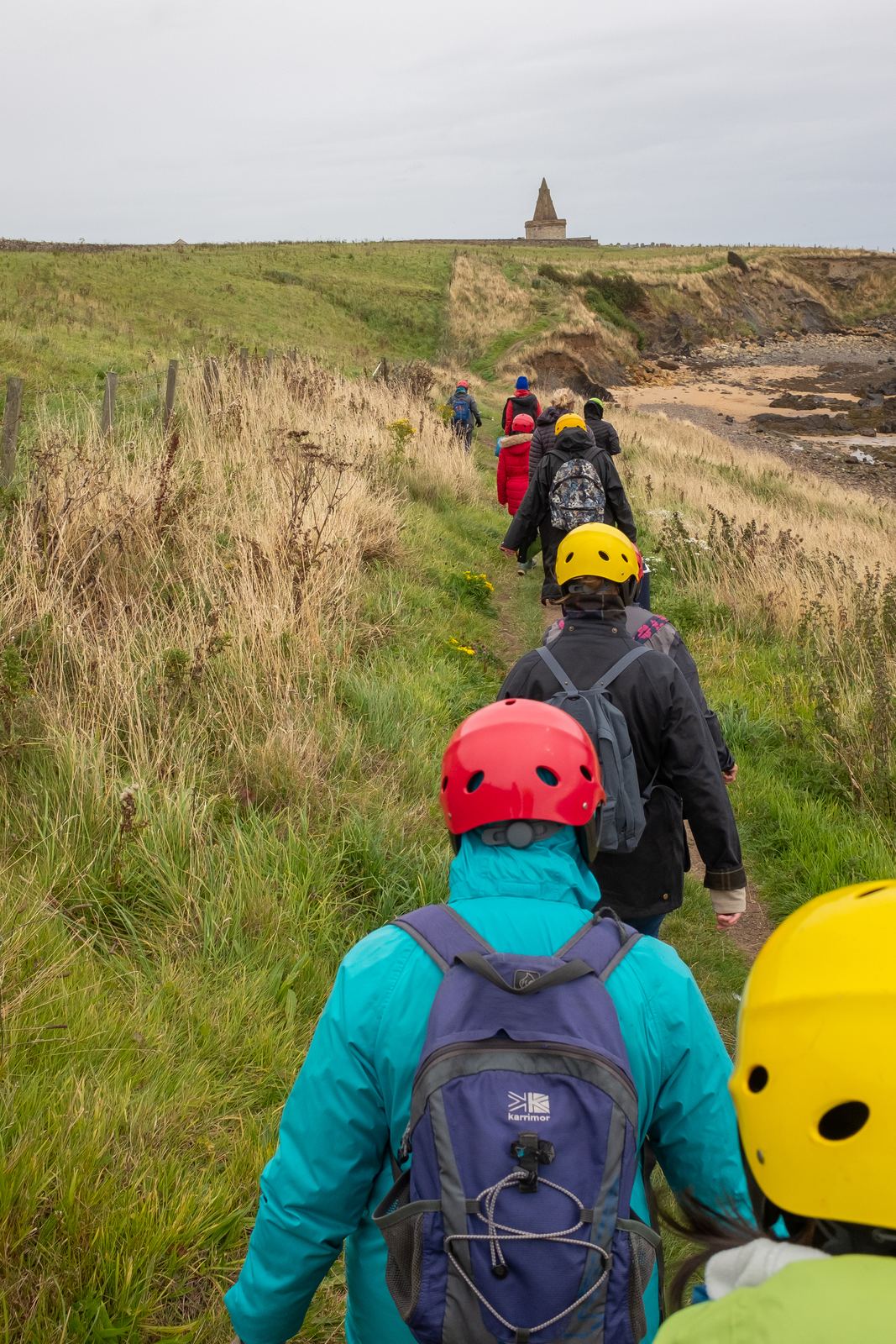
- On the shore: hi-visibility helmets are worn by everyone, your guide leads the safest route, and kit is checked before we set out. Anyone without suitable clothing and footwear for the conditions will be asked to sit the day out. A first-aid kit and portable stretcher are available at all times.
- Sharps: scissors and knives are carried by staff until needed, returned after use, and never carried while traversing the rocks. Everyone is briefed on safe cutting before we start.
- Food: hand-washing facilities are provided before foraging and tasting, all prepared food follows safe food-handling practice, staff hold food hygiene certificates, and allergies are checked at booking and again on the day before anything is served.
A.L.L.W.E.T.: foraging on your own
When you're ready to go out without us, Jayson's A.L.L.W.E.T. framework is the checklist: an Ally on dry land who knows where you are; the right Location (rocky, accessible, pollution-free); Lunch (snacks for you, moderation for the shore); the Weather checked and respected; the right Equipment, clean and in good condition; and the Tides read before you step out.