
Home · Recipes & Guides · Garden
Seaweed in the Garden
Tea for the seedlings, mulch for the beds: the strandline’s gift to growers.
By Jayson Byles, forager & chef · Updated August 2026
Seaweed contains magnesium, potassium and essential trace elements. It is rich in carbohydrates and growth hormones that are highly soluble, and being low in nitrogen but balanced everywhere else, it makes a fantastic soil conditioner for your garden.
Seaweed tea
Kelps in particular are high in rooting compounds (auxins, cytokinins and gibberellins), the hormones produced in the root zone that do so much to shape a plant’s life.
- Collect freshly washed-up kelp from the lower strandline.
- Remove any plastic waste and foreign objects.
- Roughly chop the kelp with garden shears, place in a bucket and cover with water.
- Lid on, label with the date, and leave for at least a week.
- Strain, bottle, store somewhere cool and dark, and use within 3 months.
Dilution: add water equal to the number of weeks brewed (a 2-week brew takes 2 parts water to 1 part tea), up to about 1:10. Test on a single plant first, then use it to water young plants and seedlings or spray as a foliar feed. For the full method, and the version you can actually drink, see our dedicated seaweed tea guide.
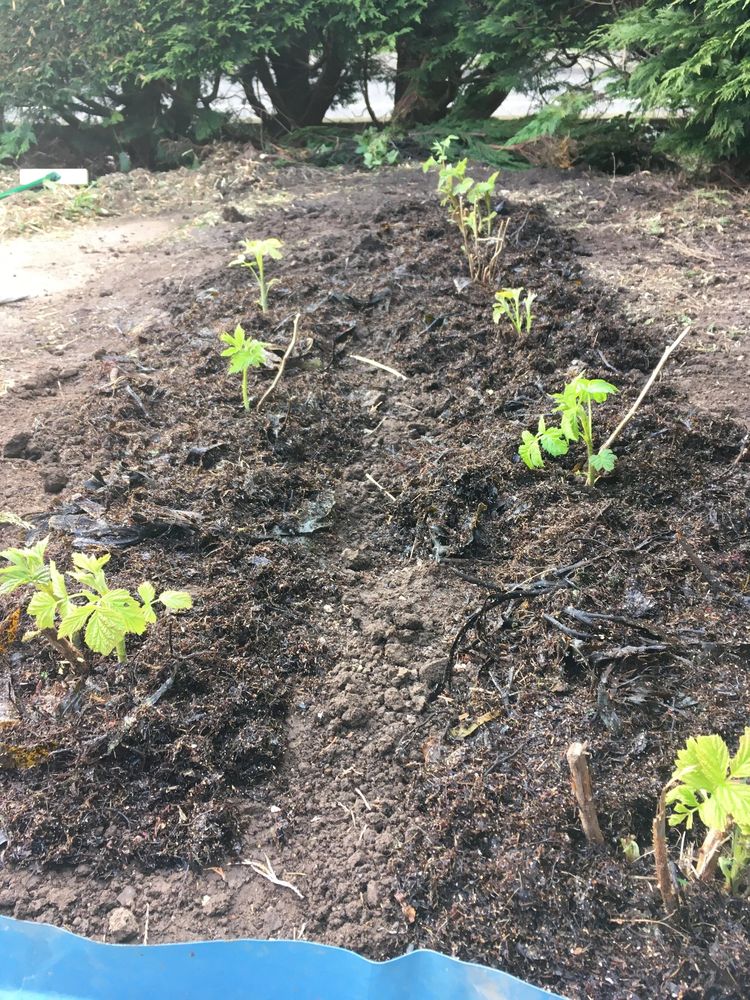
How do you use seaweed as a mulch?
- Feeds the soil and holds moisture in.
- Slightly salty with jagged edges, a natural pest deterrent.
- Low nitrogen and highly soluble, so it can go on immediately.
- Carries no seeds and no transmittable plant diseases.
- Free, and on the strandline after every big tide.
Use collected seaweed within a couple of days, before it turns slimy. Spread it generously (5 to 6 inches thick) over bare ground and weeds, keeping space clear around plant stems. It shrinks fast, so top it up after a week; a layer lasts about a month.
Can seaweed go in the compost?
Seaweed builds structure and adds trace nutrients and minerals to a heap. Add the leftovers from mulching or tea-making, cut small for faster decomposition.
How do you collect seaweed for the garden?
Only gather washed-up seaweed, and never clear a beach: the strandline feeds whole ecosystems, shelters the creatures that feed shore birds, and strengthens the dunes. Work on the “take a third and move to another patch” system, pick out fishing hooks and plastic as you go, and carry it in onion sacks, woven poly bags or buckets rather than plastic bags that tear. For mulch, collect from the mid-point of the strandline where the weed is drier and already part-decomposed. The same respect we bring to harvesting living seaweed applies to the cast weed too.
What is seaweed actually worth as a fertiliser, and what does the law say about carrying it home? Our page on seaweed as fertiliser has the numbers, the crop trials and the rules.